
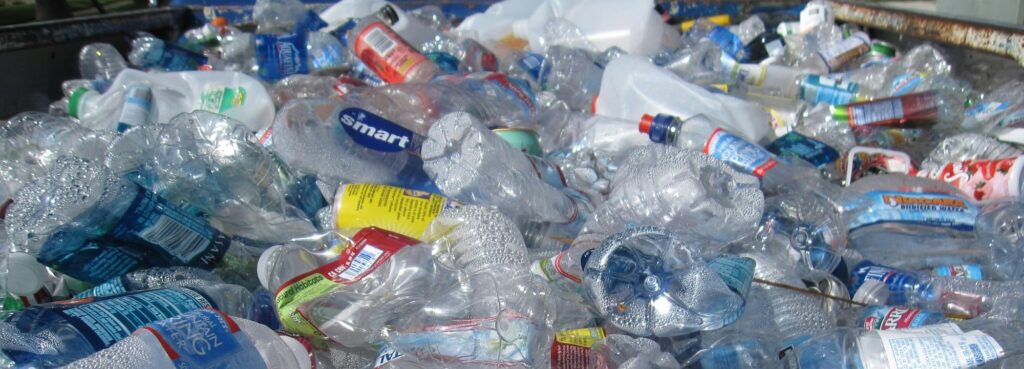
Plastic pollution presents a significant environmental challenge, contaminating oceans, waterways, and even human bloodstreams. Countries across the Asia-Pacific region are collaborating with the International Atomic Energy Agency (IAEA) through the Nuclear Technology for Controlling Plastic Pollution (NUTEC Plastics) initiative to address this pressing issue. Established in 2020, NUTEC Plastics centers on employing nuclear techniques to monitor the dispersal of microplastics and enhance plastic recycling processes before discarded materials can impact the environment. The IAEA suggests that irradiation could be employed to treat plastics that are conventionally difficult to recycle, as well as to facilitate the creation of bio-based plastics, thus providing environmentally sound alternatives to traditional plastic products and fostering a “circular economy” for these materials.
Indonesia, Malaysia, and the Philippines have each implemented nuclear technology within their respective plastic recycling efforts through three distinct regional technical cooperation projects, forging connections between national nuclear organizations and private sector businesses. These programs evolved into formalized partnerships in 2024, focusing on the development of pilot recycling plants. The IAEA detailed these efforts in a publication titled “Reduce, Reuse, Irradiate: IAEA Supports Partnerships in Asia and the Pacific to Recycle Plastic Waste,” released on January 9.