
(Image: KNHP)
South Korea has locked in its energy future with a bold new 15-year roadmap, finalized recently, calling for the construction of two massive nuclear reactors and an additional 700 MW of small modular reactor (SMR) capacity by 2038. This comes on top of the hefty reactors already in the works or sketched out in earlier blueprints. The plan, officially dubbed the 11th Basic Power Supply and Demand Plan, got its first airing as a draft last May and was handed over to the National Assembly by the Ministry of Trade, Industry and Energy on February 19. Two days later, on February 21, the Assembly’s Power Policy Review Committee gave it the green light.
This long-term strategy lays out South Korea’s nuclear power generation game plan from 2024 through 2038. It’s a living document, refreshed every couple of years by the ministry to keep pace with shifting needs. Under this latest version, the country’s hunger for electricity is set to climb by an average of 1.8% each year, hitting 129.3 GW by 2038 – a jump of over 30% from where things stood in 2023.
The vision here is pretty ambitious. By 2038, South Korea wants carbon-free sources to make up 70% of its energy mix, up from around 40% in 2023. Nuclear power, in particular, is slated for a big leap – from 180.5 TWh in 2023 to 248.3 TWh by the end of the plan. That’ll nudge its share of the energy pie from 30.7% to 35.2%. Right now, the nation’s 26 reactors churn out about a third of its electricity, so this is building on a solid base.
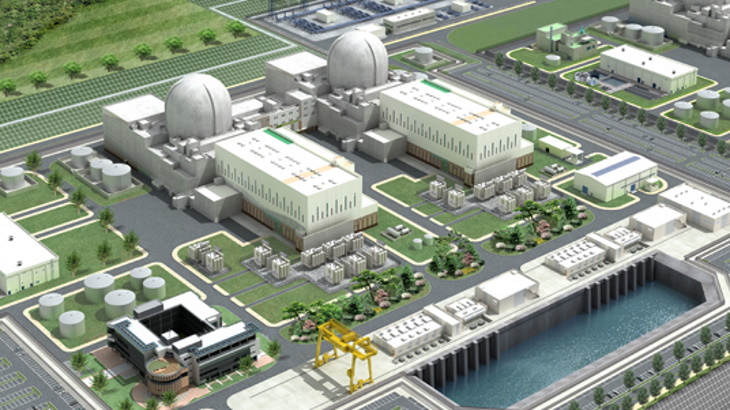
The ministry’s counting on smooth sailing for five nuclear plants already in the pipeline: Shin Hanul Unit 2 (which kicked off commercially in April 2024), Saeul Units 3 and 4, and Shin Hanul Units 3 and 4. Together, these will pump out 7 GW of power. But that’s not all – two more large reactors, adding another 2.8 GW, plus 0.7 GW from SMRs, are part of the push to hit the nuclear targets by 2038.
The ministry’s got a timeline for those SMRs, too. They’re betting on having the tech locked down – safety checks, design approvals, the works – by the early 2030s, with construction permits in hand soon after. If all goes well, homegrown SMRs could start lighting up the grid commercially by 2035. It’s a big swing, but it’s clear they’re serious about making it happen.