
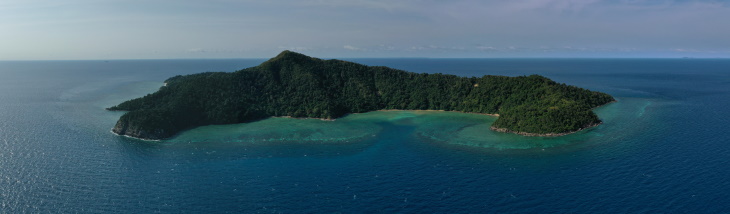
PT Thorcon Power Indonesia has taken a bold step by lodging paperwork with Indonesia’s nuclear watchdog, launching the approval process for a cutting-edge power plant fueled by its molten salt reactor technology. The company is eyeing Kelasa Island in Central Bangka as a potential home for this innovative facility.
A subsidiary of Singapore-based Thorcon International, PT Thorcon Power Indonesia (PT TPI) handed over its Site Evaluation Programme (PET) and Site Evaluation Management System (SMET) documents to Indonesia’s Nuclear Energy Regulatory Agency (BAPETEN) during a meeting on February 13 at BAPETEN’s Jakarta headquarters. Thorcon’s Chief Nuclear Officer, Kun Chen, presented the files to BAPETEN Deputy Chairman Haendra Subekti.
“This filing marks PT TPI as Indonesia’s first-ever applicant for a nuclear power plant license, ushering in a fresh chapter of nuclear energy progress for the nation,” Thorcon announced. They emphasized their dedication to working closely with BAPETEN, promising to tackle any feedback swiftly to keep the review process on track.
The move caps nearly two years of groundwork talks. Back in March 2023, PT TPI and BAPETEN inked a deal to kick off a ‘3S’ consultation covering safety, security, and safeguards-for licensing a 500 MWe Thorcon molten salt reactor demo. That effort involved assessing the plant’s construction blueprint, mapping out steps for a reactor prototype and a Non-fission Test Platform (NTP), drafting essential technical and non-technical documents, and hashing out design approval details.
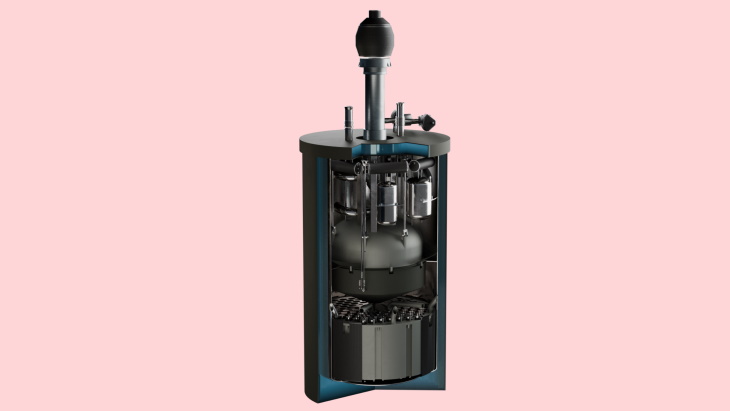
Thorcon’s plant draws on tech pioneered by the U.S. DOE’s Oak Ridge National Lab in the 1960s. The Thorcon 500, a 500 MWe molten salt reactor (MSR), features two 250 MWe reactors powered by low-enriched uranium, housed in sealed, swappable ‘Cans.’ Only one Can generates heat at a time; after eight years, it’s swapped out, towed to a maintenance hub, and replaced with a fresh unit.
Molten salt reactors rely on low-pressure fluoride salts as coolant, offering flexibility with epithermal or fast neutron spectrums and various fuel types. Today’s buzz around MSRs often centers on thorium, which can produce fissile uranium-233, though it needs an initial kickstart from enriched uranium or similar materials.
A scouting survey on Kelasa Island, nestled in Central Bangka within Bangka Belitung Province, has pegged it as a “top contender” for the plant, Thorcon reports. The study zeroed in on safety, ecological impact, and site feasibility, with early findings suggesting it’s worth a deeper look.
Indonesia’s government is all-in on an energy shift to curb climate change and hit net-zero emissions, pushing hard for renewable tech breakthroughs. They’ve set their sights on 8 GWe of nuclear capacity by 2035, with plans to ramp that up to 54 GWe by 2060.