Two major players, the Emirates Nuclear Energy Corporation (ENEC) and the Abu Dhabi National Oil Company (ADNOC), have signed a strategic pact to pioneer energy-efficient solutions via nuclear technology. This collaboration entails a thorough technical and economic review to determine the most suitable reactor technologies for ADNOC, drawing on ENEC’s proven track record in evaluating performance through pilot initiatives and next-generation systems under development, ENEC announced.
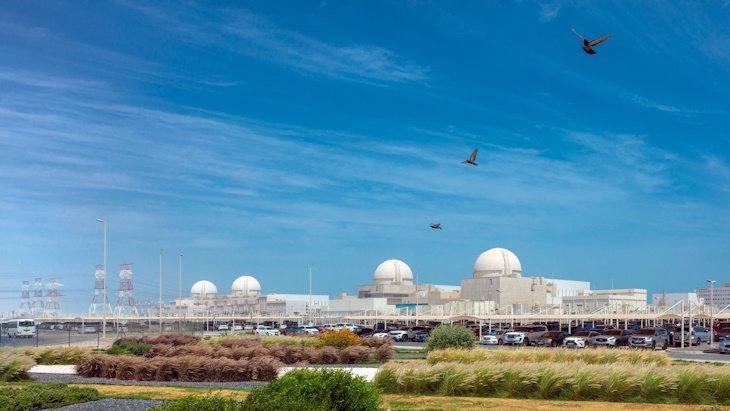
The agreement extends to feasibility assessments exploring the potential of redirecting surplus heat from the Barakah nuclear plant. It proposes advanced methods to capture this energy, with plans to showcase them through ongoing or future pilot projects, aiming to support industrial applications effectively.
Ahmed Al Mazrouei, Emirates Nuclear Energy Corporation vice president for nuclear research and development, described the partnership as a vital advance in the UAE’s energy landscape. “We’re zeroing in on next-level nuclear tech and practical ways to use excess heat for industrial purposes, reinforcing the UAE’s push for a greener economy. Teaming up with ADNOC, we’ll combine our technical strengths to develop nuclear options that bolster energy reliability and reduce carbon footprints in tandem,” he stated.
Ali Al Rawahi, ADNOC’s senior vice president for technology and innovation, remarked, “Working with ENEC, we’ll assess small modular reactors to refine our operational efficiency. This alliance highlights our joint dedication to expanding a dependable clean energy source and driving breakthroughs in low-carbon tech.”
Founded in 1971, ADNOC operates across the energy spectrum and stands out as one of the world’s least carbon-intensive oil and gas producers. It has earmarked an initial USD23 billion to fast-track low-carbon projects, investing heavily in renewable energies and decarbonization tools to hit net zero by 2045 and eliminate methane emissions by 2030. ENEC’s Barakah plant, with its fourth unit fully operational since September, now produces 40 TWh annually – meeting 25% of the UAE’s electricity demand – and offsets 22.4 million tonnes of carbon yearly, a milestone in sustainable power generation.
This joint effort aligns with the UAE’s Energy Strategy 2050, which seeks to elevate clean energy use and enhance nationwide efficiency, ENEC noted. It builds on Barakah’s success to explore scalable nuclear solutions for the future.