
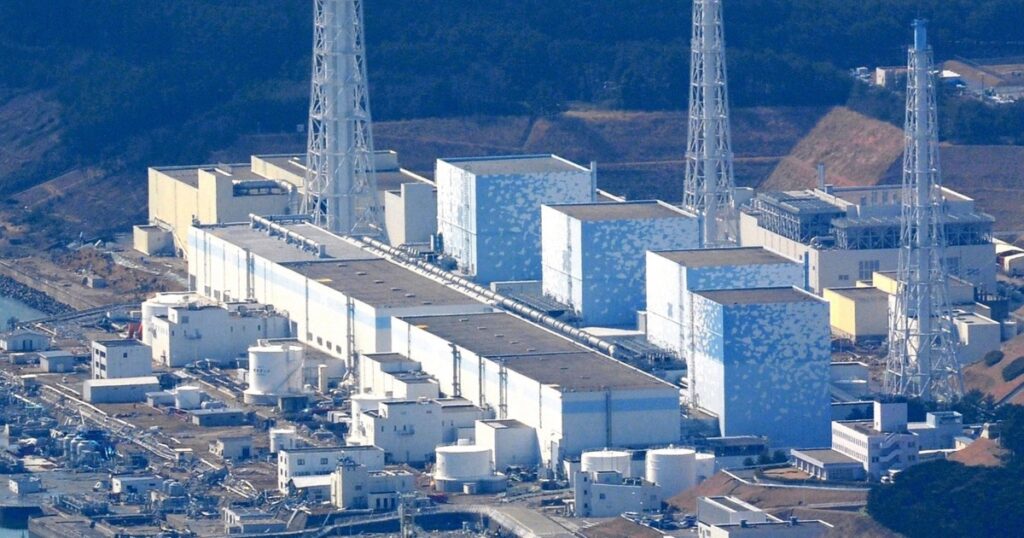
The International Atomic Energy Agency (IAEA) has verified that the tritium concentration in the 11th batch of diluted ALPS treated water, released by Tokyo Electric Power Company (TEPCO) starting 12 March, remains significantly below Japan’s operational threshold. This batch continues the controlled discharge process at the Fukushima Daiichi Nuclear Power Station (FDNPS), aligning with stringent safety protocols.
IAEA experts, based at their on-site office at FDNPS, performed an independent analysis of the treated water samples from this batch, as they did for the previous ten. Their findings confirm that the tritium level is well under Japan’s operational limit of 1500 becquerels per litre, meeting international safety standards and ensuring environmental protection.
Japan’s plan involves releasing ALPS-treated water in batches over the coming decades, a process that began in August 2023. The IAEA has also confirmed that the tritium levels in the prior ten batches, totaling around 78,200 cubic meters, were consistently far below the operational limits, reinforcing the safety of the ongoing discharge operations at the Fukushima site.
In a detailed report released on 4 July 2023, prior to the start of the discharge, the IAEA conducted a thorough safety review of Japan’s approach. The agency concluded that the plan for managing the treated water adheres to global safety standards, ensuring that the release, as executed, has a minimal radiological impact on both the environment and public health, supporting Japan’s long-term recovery efforts.